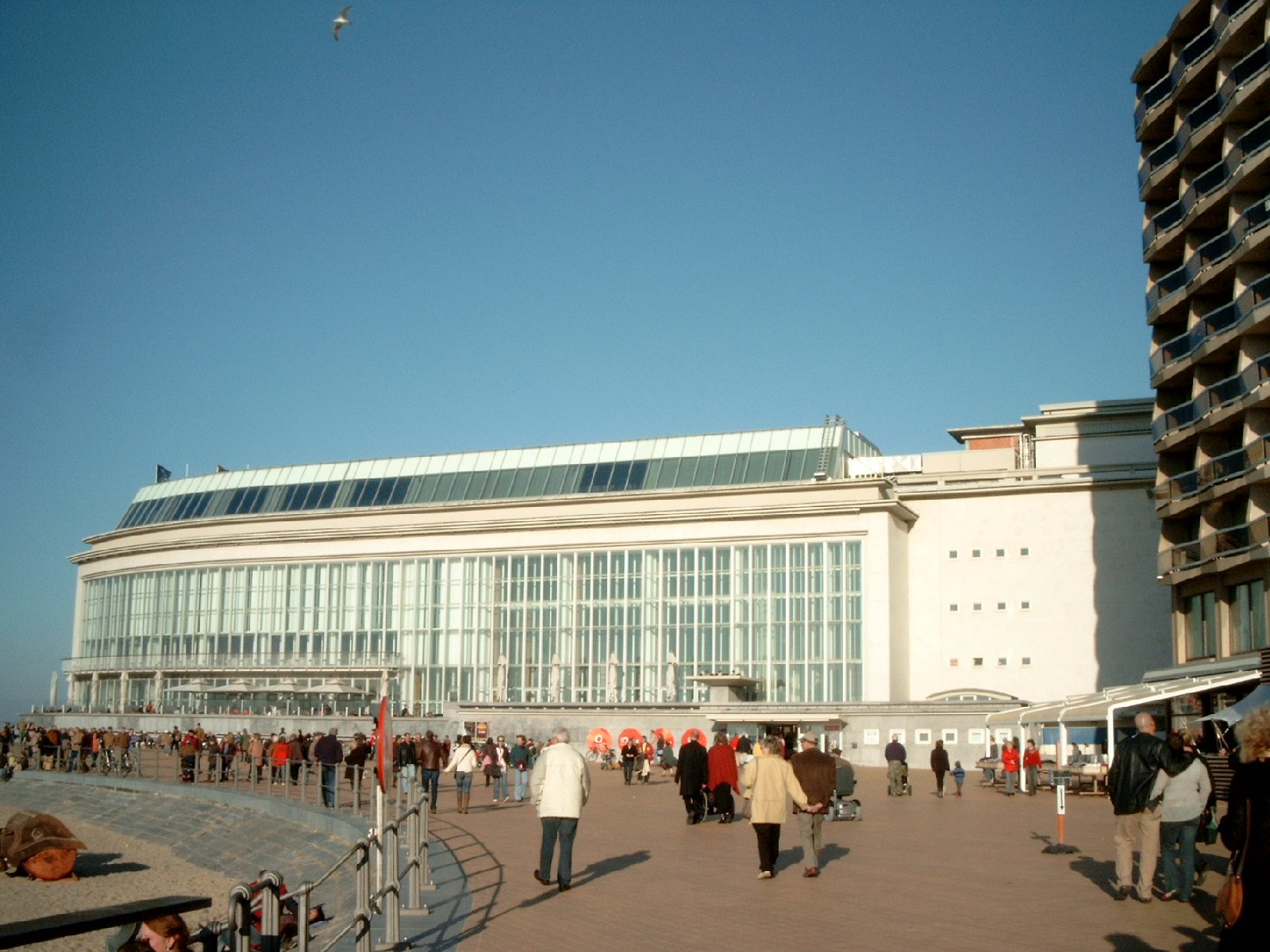
Casino in Belgium, read from the cashier’s window
Online play opens at 18, land-based casinos at 21, and a SEPA Instant transfer reaches its destination in under 10 seconds. One regulator, the Gaming Commission, sets the frame for all of it.
A licensed market with one regulator
Games of chance in Belgium rest on the Act of 7 May 1999 on games of chance, bets, gaming establishments and the protection of players. The Gaming Commission (Kansspelcommissie in Dutch, Commission des jeux de hasard in French) grants licences, inspects operators and publishes the lists that define who may serve Belgian players.
Licences are issued by class. A class A licence covers a casino, a class B licence a gaming hall, and the online casino licence, F1, can only be held together with a class A licence. Offering casino games to people in Belgium without that licence is an offence, and the Commission keeps a public blacklist of sites identified as operating without one.
For the player, the regulator matters most at the cashier: payment accounts, identity checks and withdrawal rules all derive from licence conditions, not from the preferences of a single brand.
Land-based rooms and online platforms
Land-based casinos sit in a handful of towns, among them Spa, Ostend, Namur and Chaudfontaine. Each room operates under a class A licence tied to its location. Money moves at a physical cash desk: euros are exchanged for chips, and cash-outs are made at the same desk.
Online platforms work from a player account instead of a counter. Because an F1 licence is attached to a class A licence, the digital offer sits under operators that also hold a physical casino licence. Licensed sites are expected to be reachable on a .be domain and to display their licence details, which gives a first check before any deposit.
The difference shows in the paper trail. A visit to a casino leaves a registration at the door and a cash record; an online session leaves a chain of bank and account entries, detailed in the guide to casino payments in Belgium.
Age, identity and the EPIS register at the door
Access is controlled twice: by age and by exclusion status. The minimum age is 21 for casinos and gaming halls and 18 for online casino play. Identity is confirmed from the Belgian eID card or a comparable official document; many platforms also accept a digital identity app such as itsme.
EPIS, the Excluded Persons Information System, is the register kept by the Gaming Commission of people barred from games of chance, whether by their own request, a court decision or a request from a third party. Casinos query it at entry, and online operators query it when an account is opened and again during the relationship.
Identification threshold
Casinos and online operators are obliged entities under the Belgian anti-money-laundering law of 18 September 2017. The Fourth EU Anti-Money-Laundering Directive sets the identification threshold for gambling transactions at €2,000; suspicious operations are reported to the CTIF-CFI, the Belgian Financial Intelligence Processing Unit.
The money path from bank account to balance
An online session follows a fixed sequence of money movements, and each stage leaves its own record.
- Registration and identity checkThe operator opens the player account, confirms identity and queries the EPIS register.
- Payment method linkedThe name on the card, bank account or e-wallet has to match the name on the player account.
- DepositA card or Bancontact authorisation is immediate. A SEPA Instant transfer arrives within 10 seconds, a standard SEPA transfer by the end of the next business day.
- Balance creditedThe euro amount appears in the account balance and in the transaction history of the platform.
- Withdrawal requestThe operator reviews the request internally; the first payout usually triggers a full document check.
- PayoutThe money returns through the method used for the deposit wherever possible, and the bank then books it.
- Statement entryDeposit and payout appear as separate lines on the bank statement, each with a date, an amount in euros and a counterparty name.
Payment methods at a glance
Four families cover most deposits made from a Belgian account. Their differences lie in timing and in the traces they leave, not in the amounts.
| Method | Bank-side timing | Trace on the statement |
|---|---|---|
| Bancontact and debit card | Authorisation in seconds | One card transaction line |
| Bank transfer, SEPA Instant | Under 10 s, around the clock | One transfer line with the operator’s name |
| Bank transfer, standard SEPA | By the end of the next business day | One transfer line, booked on a business day |
| E-wallet | Depends on how the wallet is funded | Two links: bank to wallet, wallet to operator |
Timings per method, fees in euros and the first-payout checks are covered in casino payments in Belgium.
Winnings, taxes and records worth keeping
For a private individual, winnings from games offered by licensed operators are not taxed as income in Belgium. The gaming taxes are levied on the operators, not on the player’s payout.
The useful habit is documentary. Bank statements show each deposit and each payout as dated euro amounts; the platform’s transaction history shows the same movements from the operator’s side. Operators must keep identification data and transaction records for 10 years under the Belgian anti-money-laundering law, and a player who keeps matching statements and confirmations can answer any question about the origin of funds with documents rather than recollection.
The same records are the starting point for a complaint: the Gaming Commission handles disputes only after the operator has had the chance to respond, and a dated trail speeds that exchange.
Payment detail by method
Bancontact, cards, bank transfers and e-wallets each have their own limits and delays; the payments guide sets them out in euros, with the checks that apply to the first withdrawal and the entries that show up on the account statement. The legal notice gives the publisher and hosting details of csino.be.
Licensing, supervision and payout checks
Is online casino play legal in Belgium?
Yes, when the operator holds an F1 licence from the Gaming Commission, which is attached to a class A casino licence. The minimum age is 18. Sites without a licence are not authorised to serve Belgian players, and the Commission publishes a blacklist of those it has identified.
Who supervises casinos in Belgium?
The Gaming Commission (Kansspelcommissie / Commission des jeux de hasard), created under the Act of 7 May 1999, grants licences and inspects land-based and online operators. On the financial side, the CTIF-CFI receives reports of suspicious transactions under the anti-money-laundering law of 18 September 2017.
Which documents are requested before a first withdrawal?
Operators commonly ask for a copy of the identity document, a proof of address when it does not appear on that document, and a proof that the card, bank account or wallet belongs to the player, for example a statement with the account holder’s name. Larger sums can lead to a request for the source of funds.